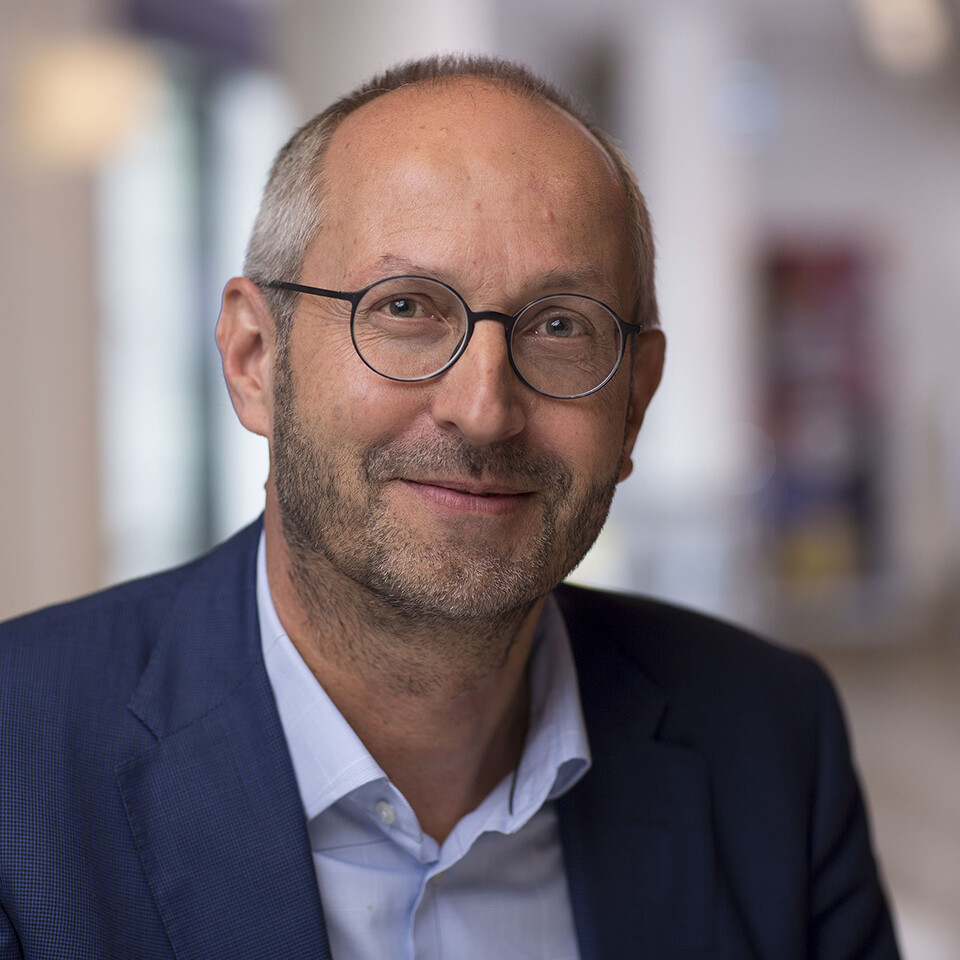
Ten years ago, Arcadis joined the Refugee Talent Hub as one of its founding partners. Harm Albert Zanting, board member of the Refugee Talent Hub and former Business Area Director at Arcadis, recently shared his experiences in one of our employer sessions.
How it started, and why it didn't work
The first steps were well-intentioned, but still too informal. Arcadis organized meet & greets, and occasionally a match with a candidate occurred. Valuable first experiences, but without a clear structure.
"The first few years were mainly about exploration," says Harm Albert Zanting . "We wanted to make a difference, but we were still figuring out how to organize that effectively in a large organization."
During this phase, it also became clear what was needed to make such an initiative truly successful. Support for participants was still limited, and internally, it wasn't always clear who was responsible for the follow-up. There was also a lack of oversight: how many matches were there, how many people progressed, and what did the teams need to make it work?
According to Harm Albert, this is a familiar phase for many organizations that are starting this process. "The enthusiasm was there among individual colleagues. But as long as it remains dependent on a few passionate people, it will never become part of how your organization truly works."
“If you want to do this seriously, you have to organize it like any other strategic program.”
Harm Albert Zanting
Board member at Refugee Talent Hub and former Business Area Director at Arcadis
The Cover: Take it Seriously
"At some point, we realized: if we consider this important, we have to treat it accordingly," says Harm Albert. "With clear objectives, people who are accountable, and space within the organization to properly manage it."
For Arcadis, this meant defining clear objectives, freeing up capacity, and establishing internal ownership. At the same time, a closer look was taken at what participants need to be successful within an international engineering organization.
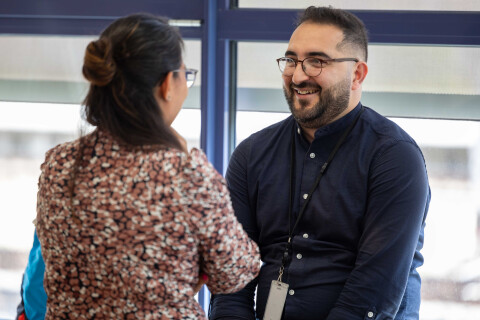
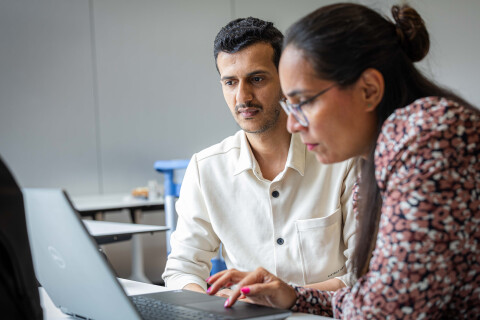
This is how the Talent Academy was born. A program where learning and working go hand in hand. Participants gain work experience on projects and receive support with language, soft skills, and the Dutch work environment. For professionals like Özlem and Mustafa , it's a first step into the job market: a place to gain experience, build self-confidence, and get to know the Dutch workplace.
Teams within Arcadis play an active role in this. Managers are given tools to effectively guide participants, and there's room to discuss practical questions. According to Harm Albert, that's precisely the difference: "It's not just about hiring someone. It's about people truly settling into your organization. You have to invest time and attention in that."
The Talent Academy has since become one of the most impactful components of Arcadis' D&I policy. The approach in the Netherlands is now also serving as inspiration for scaling up internationally within the organization.
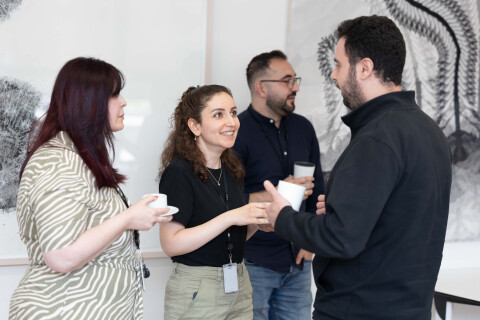
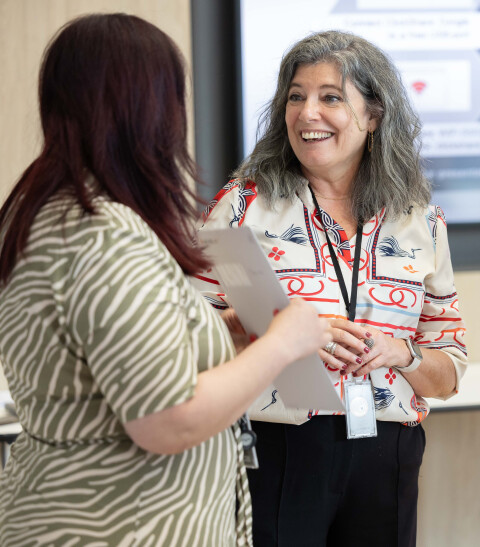
Images from the Talent Academy kick-off event (2025)
What employers can learn from this
You don't have to reinvent the wheel. Here are some insights shared by Harm Albert:
Ensure commitment at the C-level . An inclusion initiative that falls solely on HR won't survive the first reorganization. The decision must have explicit support from management. And this must be visible, for example, during kick-offs.
Assign ownership to a single person . Shared responsibility is not responsibility. Designate a single internal owner who actively monitors and maintains the program.
Make it part of existing policy . Link it to your D&I strategy, talent development, SROI obligations, or employer branding. This will enhance impact and continuity, and prevent it from becoming a standalone project.
Use SROI as a business case . SROI commitments create internal urgency and help substantiate business relevance. They also reinforce equality: you hire people based on talent, not favoritism.
Grow only as fast as you can support . Quality over quantity. Realistic numbers ensure successful participants and support within your organization.
Make it concrete for managers . Provide them with a clear roadmap, practical toolkits, and regular progress reviews. Training in inclusive collaboration helps. Not as a requirement, but as support.