Working with newcomers

If you have to flee, that’s something that happens to you. It doesn't define who you are or what you can do. At Refugee Talent Hub, we put it like this: refugees are professionals who happen to have been born somewhere else.
Our dream is a Netherlands where refugees’ talents are recognised and put to use, and where they have access to the right opportunities in the labour market. Together with our partners and everyone else in our network, we work hard every day to make this dream a reality.
Because we believe that we all benefit when everyone has the opportunity to put their talent to use.
Why work with newcomers?
Refugees bring talent, experience and a strong desire to get to work. Many are eager for the opportunity to put their skills to use and continue developing professionally.
‘We’re delighted to work with motivated people who are keen to develop in their field. And the fact that refugee professionals also bring a broader perspective makes it even more valuable.’
— Joost Looij, Director of IT, Enexis
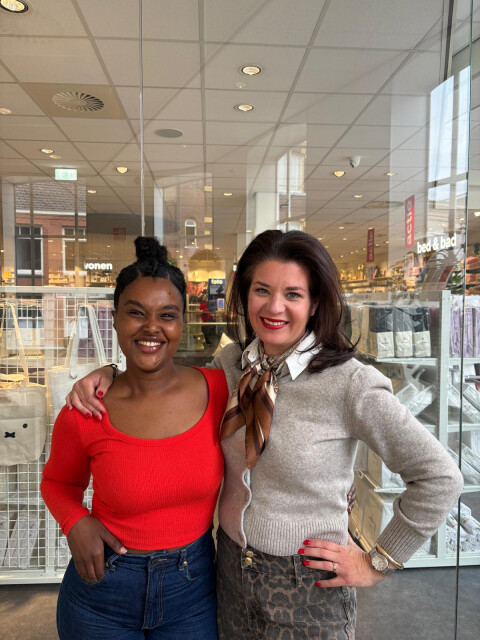
Organisations with a diverse workforce are more adaptable, better at solving problems and more innovative.
'Diversity isn’t a side issue, and inclusion isn’t an added extra. They are essential to innovation and building organisations that are fit for the future. For me, it comes down to one simple belief: your talent passport matters more than your nationality.'
— Manon van Beek, CEO TenneT
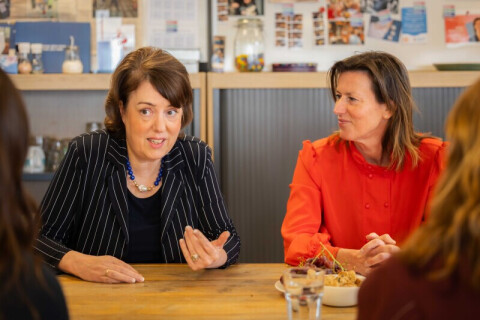
Working with newcomers can be a valuable way for organisations to meet their SROI targets and make progress on the PSO Ladder.
‘For us, SROI is a win-win: we can attract diverse talent, while candidates gain valuable work experience. Together, we’re creating sustainable career opportunities and a society where newcomers can truly participate.’
— Marjolein Borsboom, Social Return Advisor, EY

A diverse workplace enriches everyone. Seeing things from a different perspective challenges us to question our own assumptions and ways of thinking.
'The experiences and resilience of our newcomer colleagues enrich Accenture and the communities we are part of.'
— Nicole van Det, CEO Accenture Netherlands and Nordics
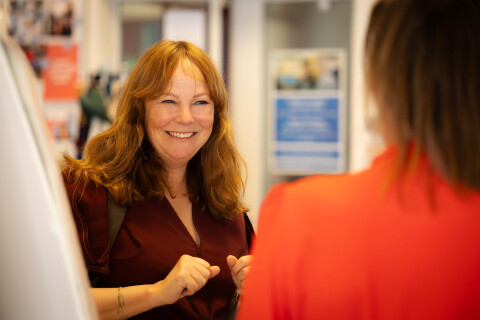
Taking diversity and inclusion seriously — and demonstrating that commitment by creating opportunities for newcomers — strengthens your reputation as an employer.
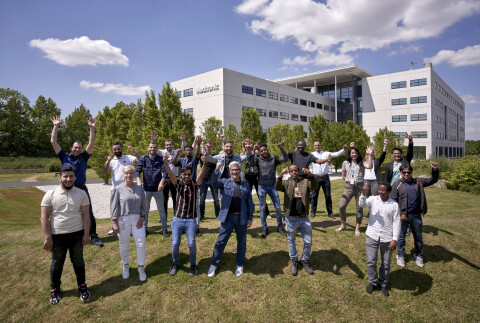
As an employer, you have a role to play in society. Creating equal opportunities and making workplaces accessible to everyone is part of that responsibility.
‘Imagine having trained for a profession, built a good career, and then suddenly having to leave your country and start all over again because of circumstances beyond your control. How would you feel? As individuals and as organisations, we can make a difference. I believe in creating opportunities for people to thrive — and, in doing so, helping organisations thrive too.'
— Janine Vos, Chief Human Resource Officer, Rabobank

Why can it be difficult for newcomers to find work?
People who have fled their home countries often face significant barriers to finding work in the Netherlands. That is a missed opportunity: their skills, experience and talent remain untapped. Having a paid job can also play an important role in building a new life in the Netherlands. Beyond providing an income, work gives structure to everyday life, creates opportunities for social connection, helps people improve their language skills and supports their personal and professional development.
Yet there is still a gap between refugees and employment. Barriers at different levels often reinforce one another. Together, we call these barriers the canvas ceiling. Below, we briefly explore the obstacles at individual, organisational and societal level.
Many people are unable to work for long periods while their asylum application is being processed. Qualifications are not always recognised, and language skills can still be limited. In many cases, language classes only begin once someone has been granted a residence permit.
Organisations often look for the perfect candidate — someone who ticks every box. At the same time, they can struggle to look beyond a language barrier or a CV. CVs with a gap of more than two years are regularly rejected automatically, while for some employers, hiring someone from a different cultural background can still feel unfamiliar or daunting.
Refugees are rarely portrayed as talented professionals who can bring valuable skills and different perspectives to the workplace. Negative media coverage often puts them on the back foot before they have even had a chance to prove themselves. There is also widespread uncertainty about what refugees can and cannot do once they arrive in the Netherlands.